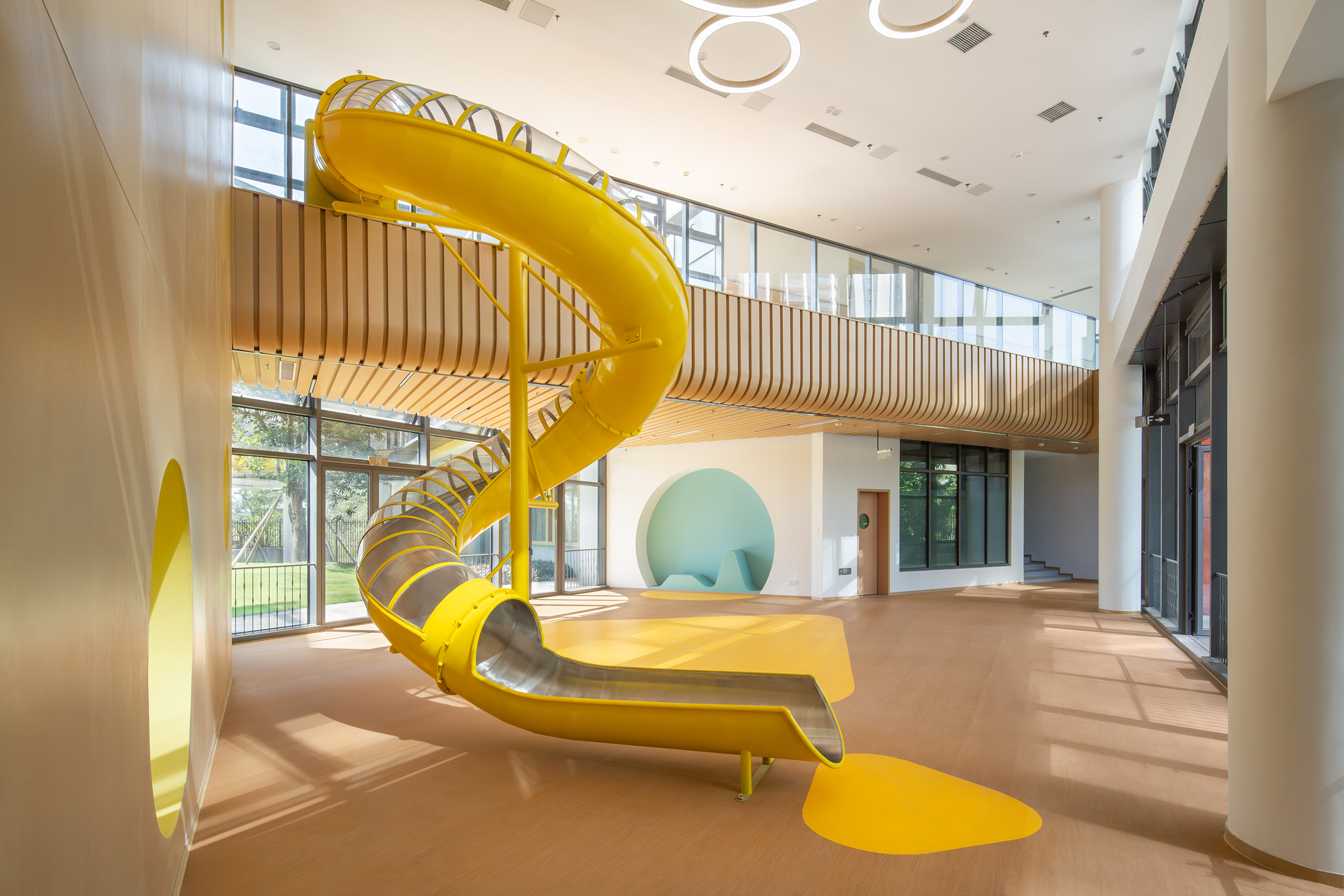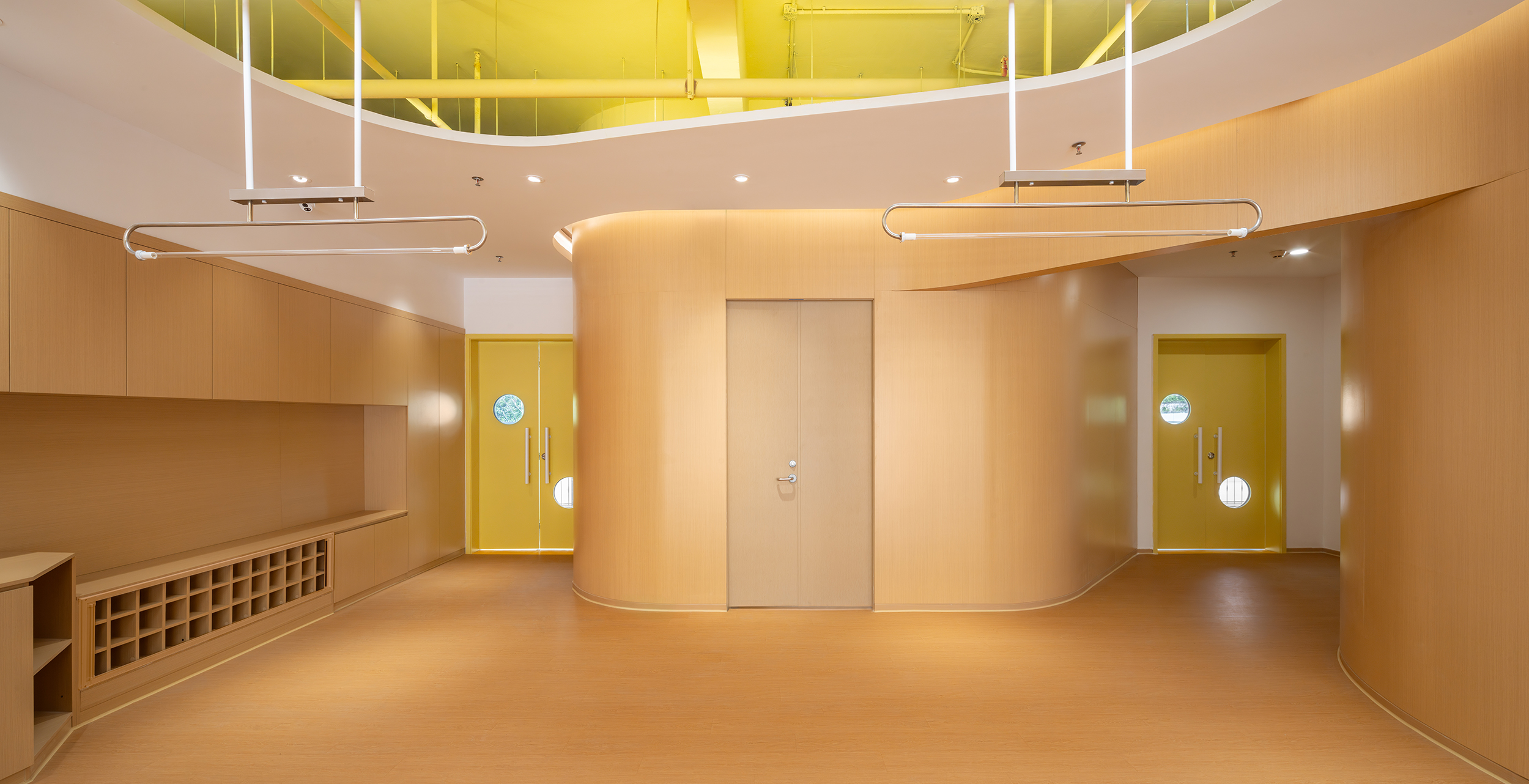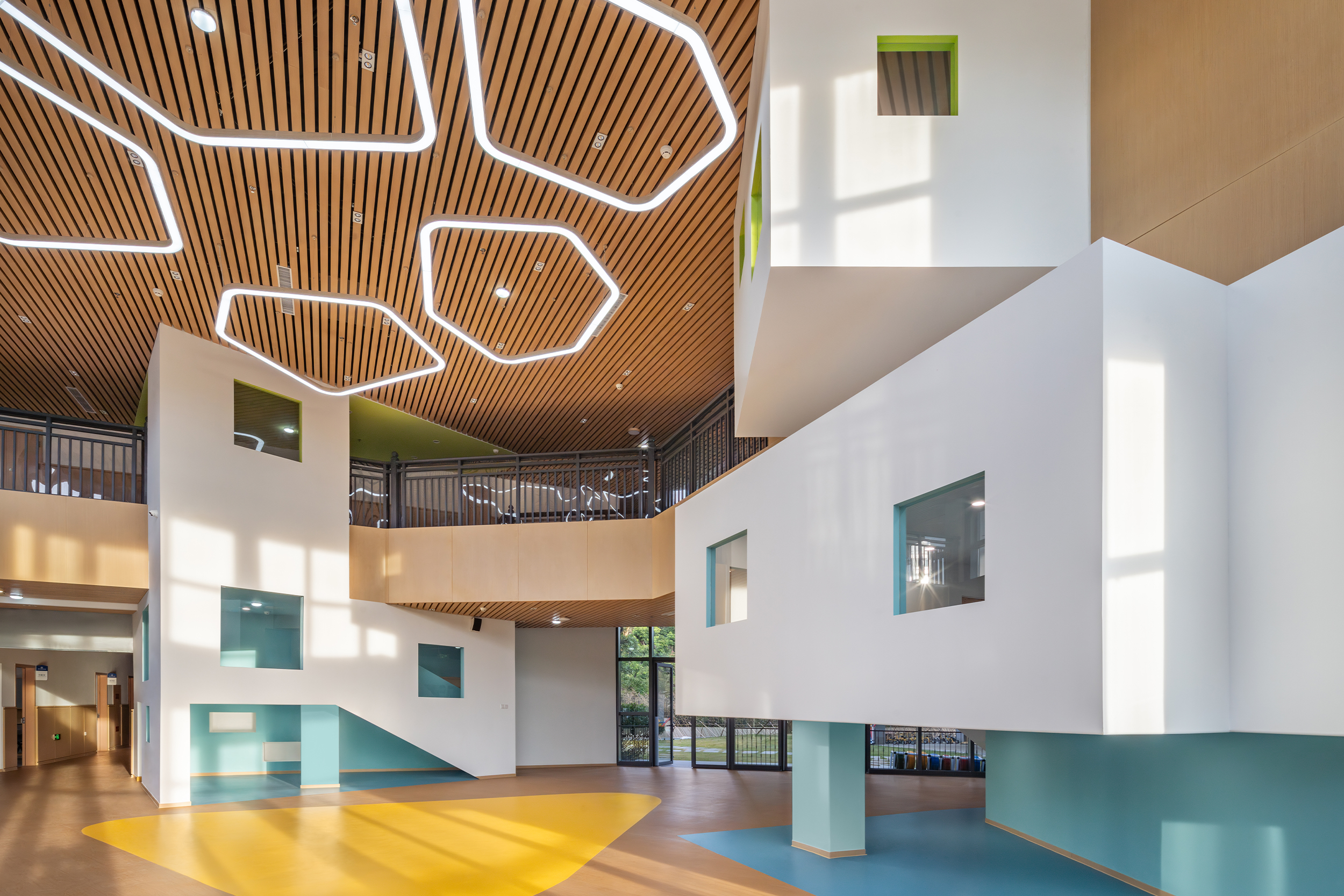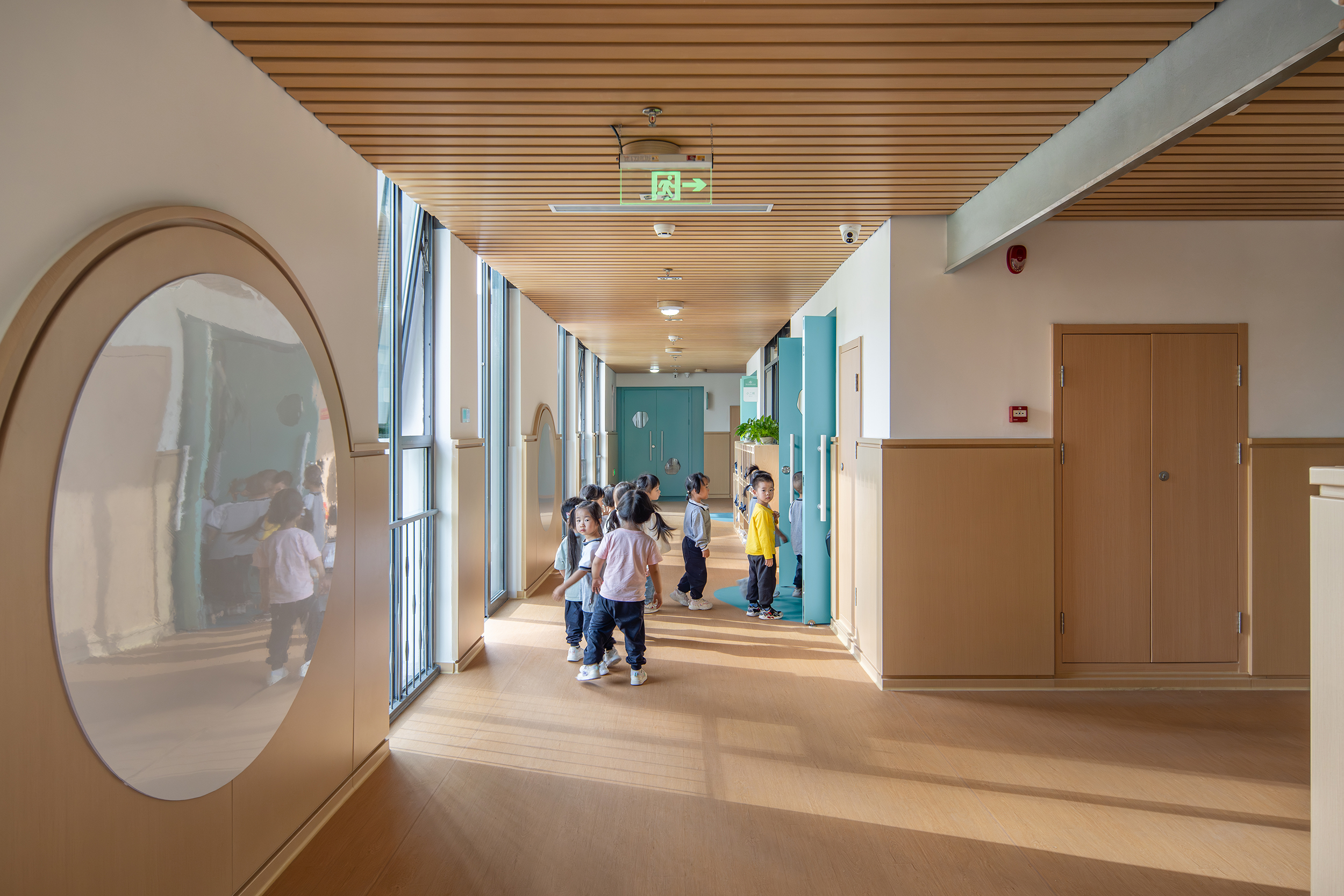
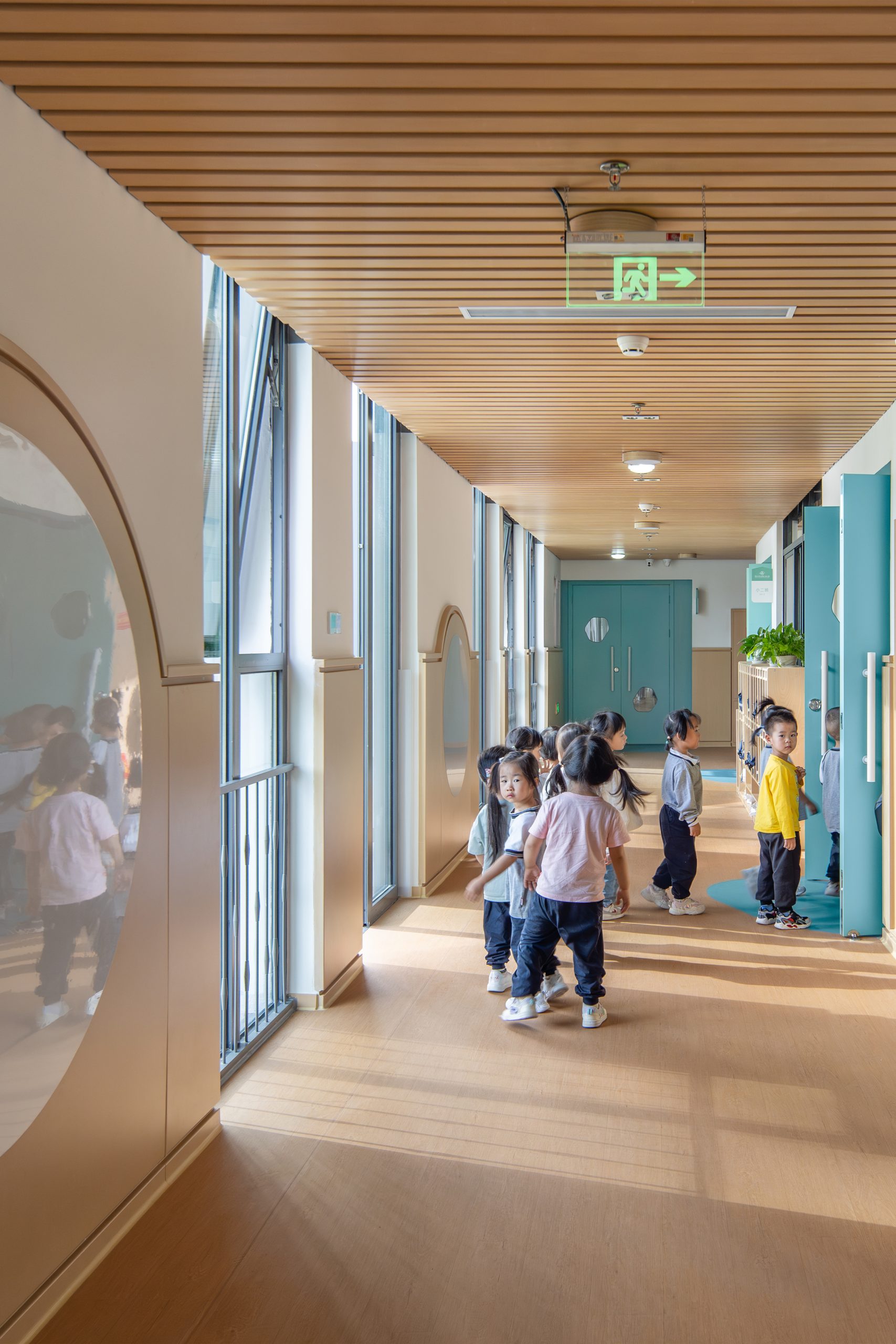
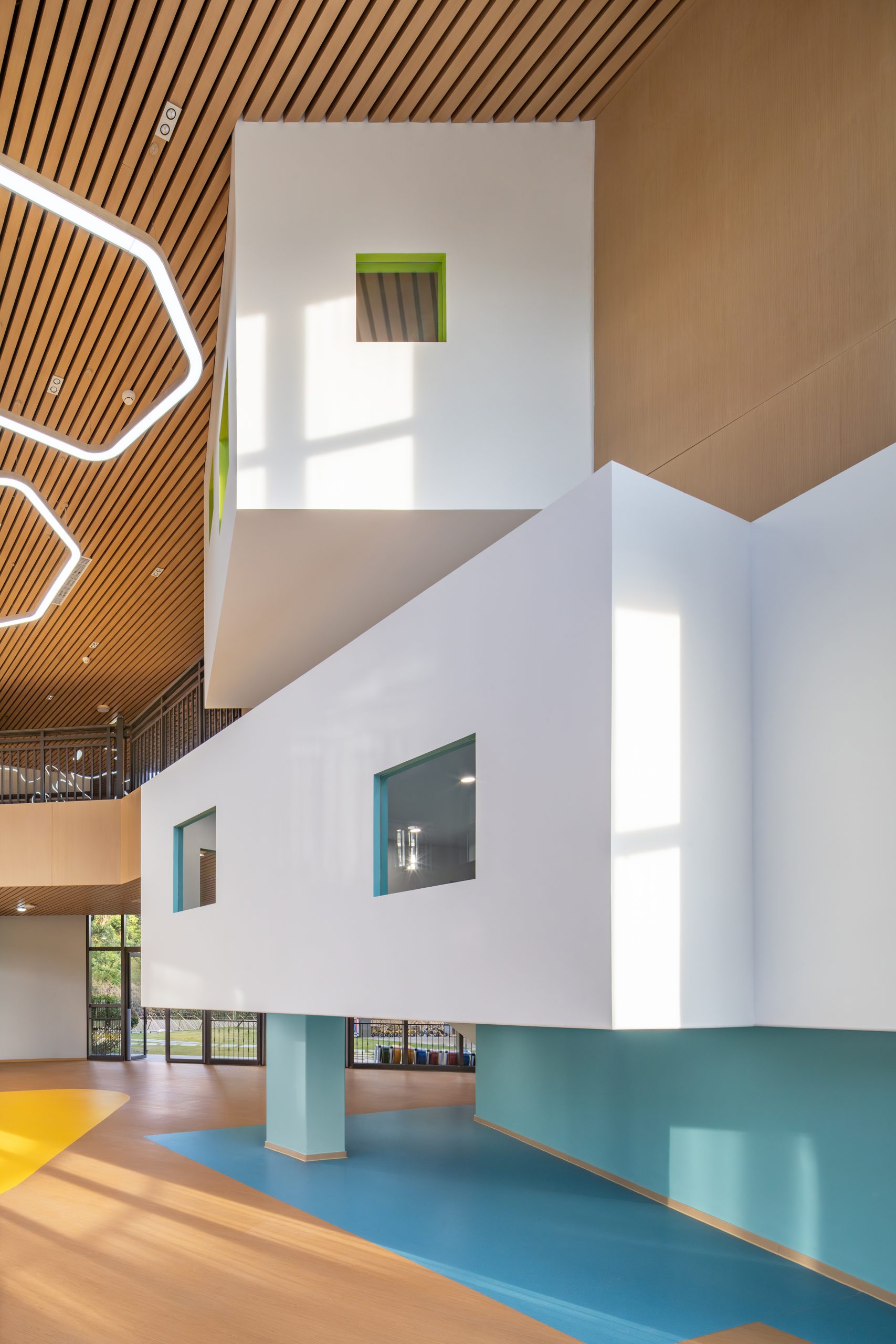
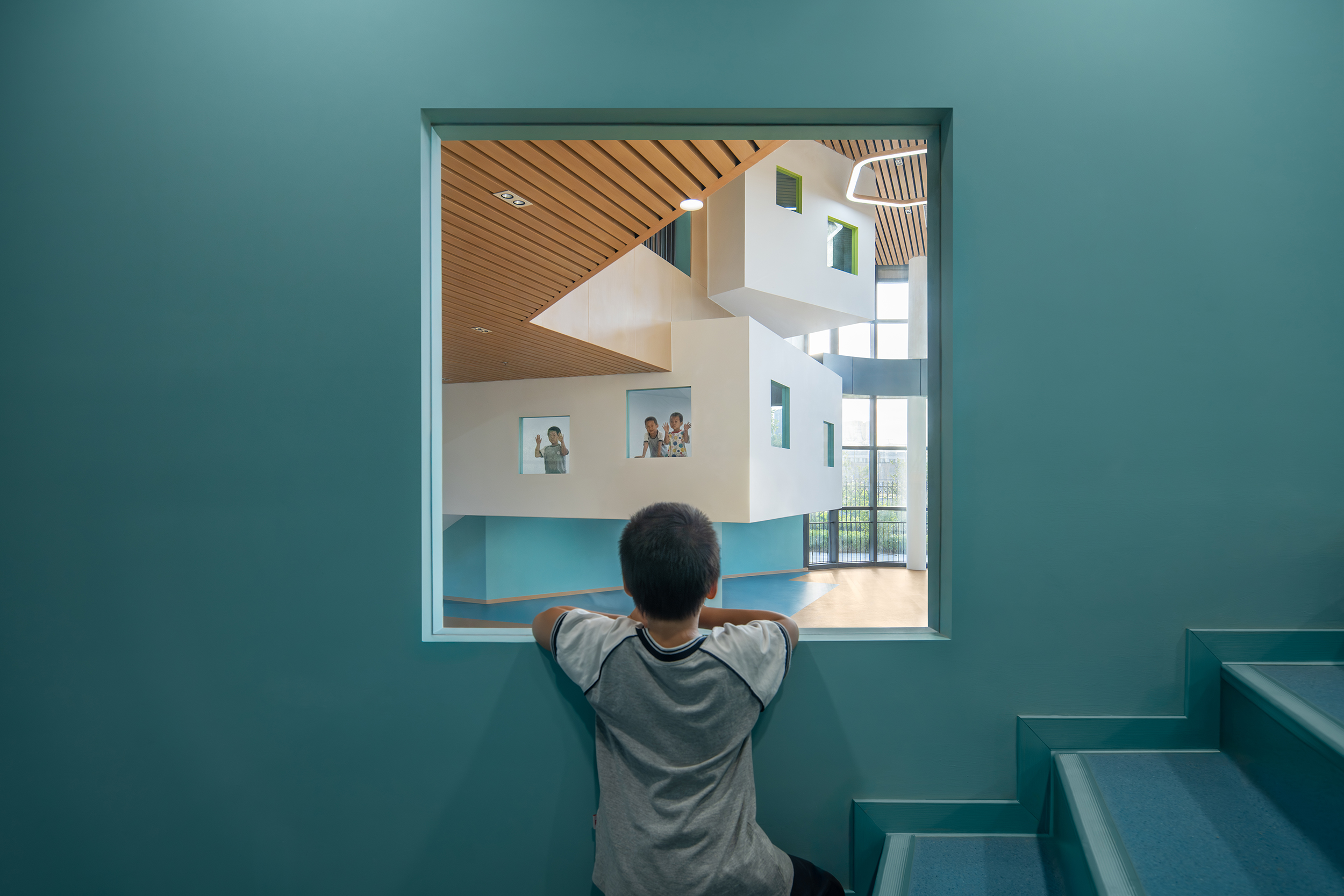
In early childhood, the environments children inhabit shape their understanding of movement, interaction, and creativity. A kindergarten is often the first place where they gain independence, explore the world beyond their homes, and build confidence in their surroundings. Yet, too frequently, kindergarten spaces are designed for administrative convenience rather than for the genuine needs of their true users—the children themselves.
These projects are built upon the idea that design should not merely accommodate children, but actively encourage their exploration and growth.
A Kindergarten in the Context of Shenzhen
Shenzhen, one of the fastest-growing metropolises in China, is home to over 17.5 million residents, with a median age just under 30 years. Known as a major hub for the tech and innovation industries, the city attracts a highly mobile, young workforce. Many parents work long hours in demanding fields, making early childhood education crucial to supporting both their careers and their children’s development.
The Longgang District, where these kindergartens are located, is a rapidly urbanizing area with a high concentration of residential developments aimed at skilled professionals. Within this dense urban context, kindergartens provide not only education but also stability and a sense of community for families. This context significantly influenced the design approach, resulting in interiors that contrast the fast-paced, high-density surroundings by offering children an environment that is gentler, more stimulating, and more attuned to their needs.
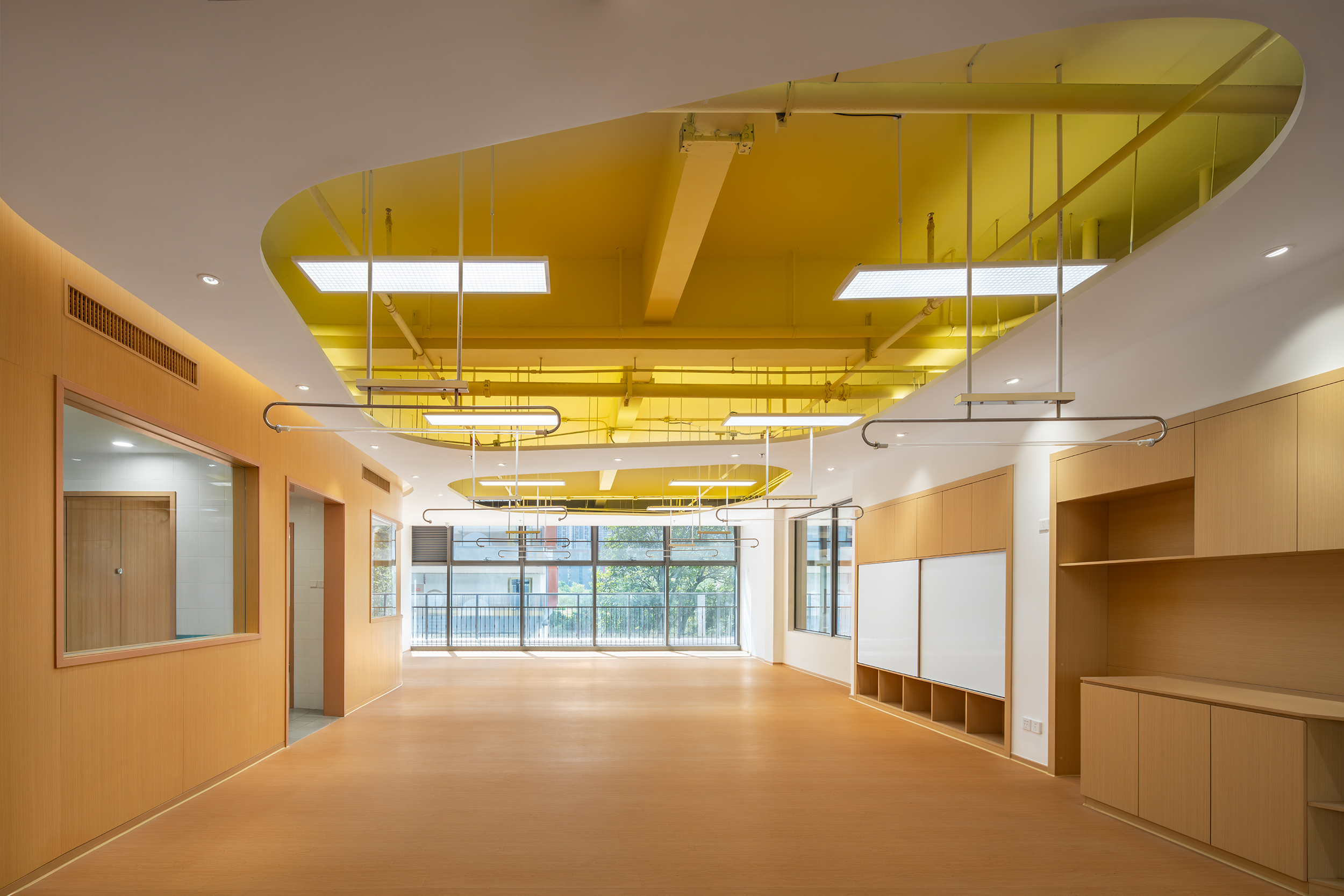
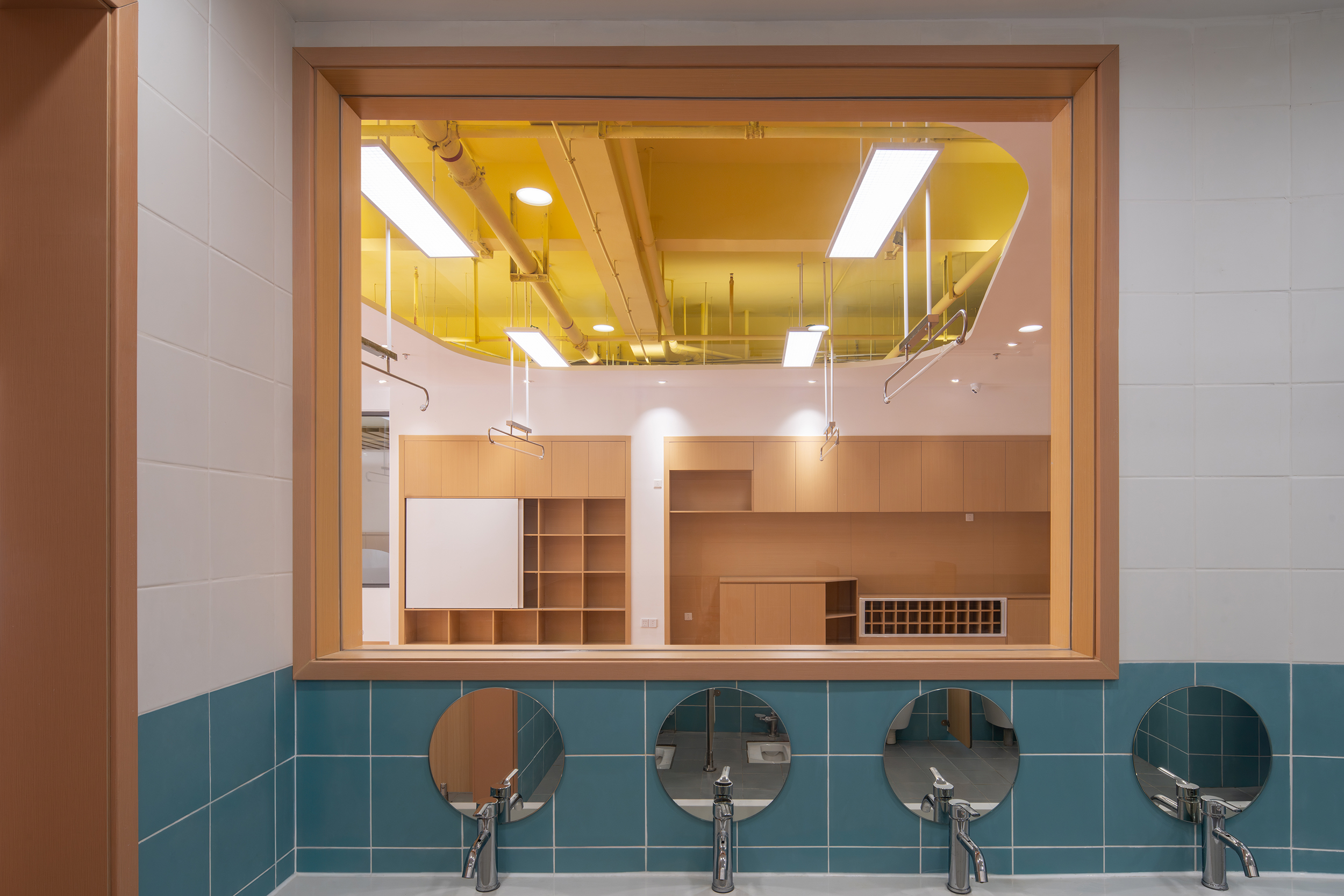
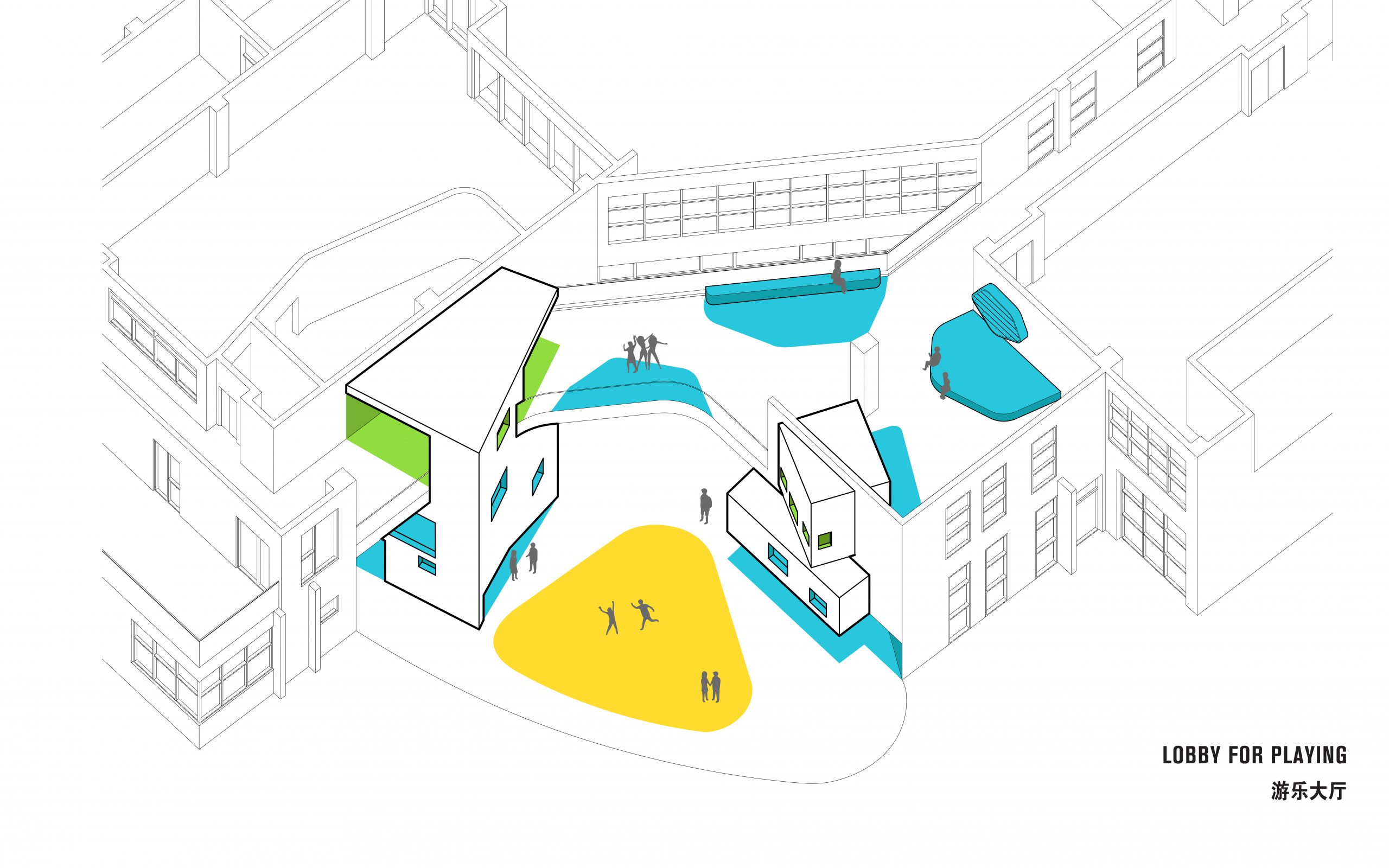
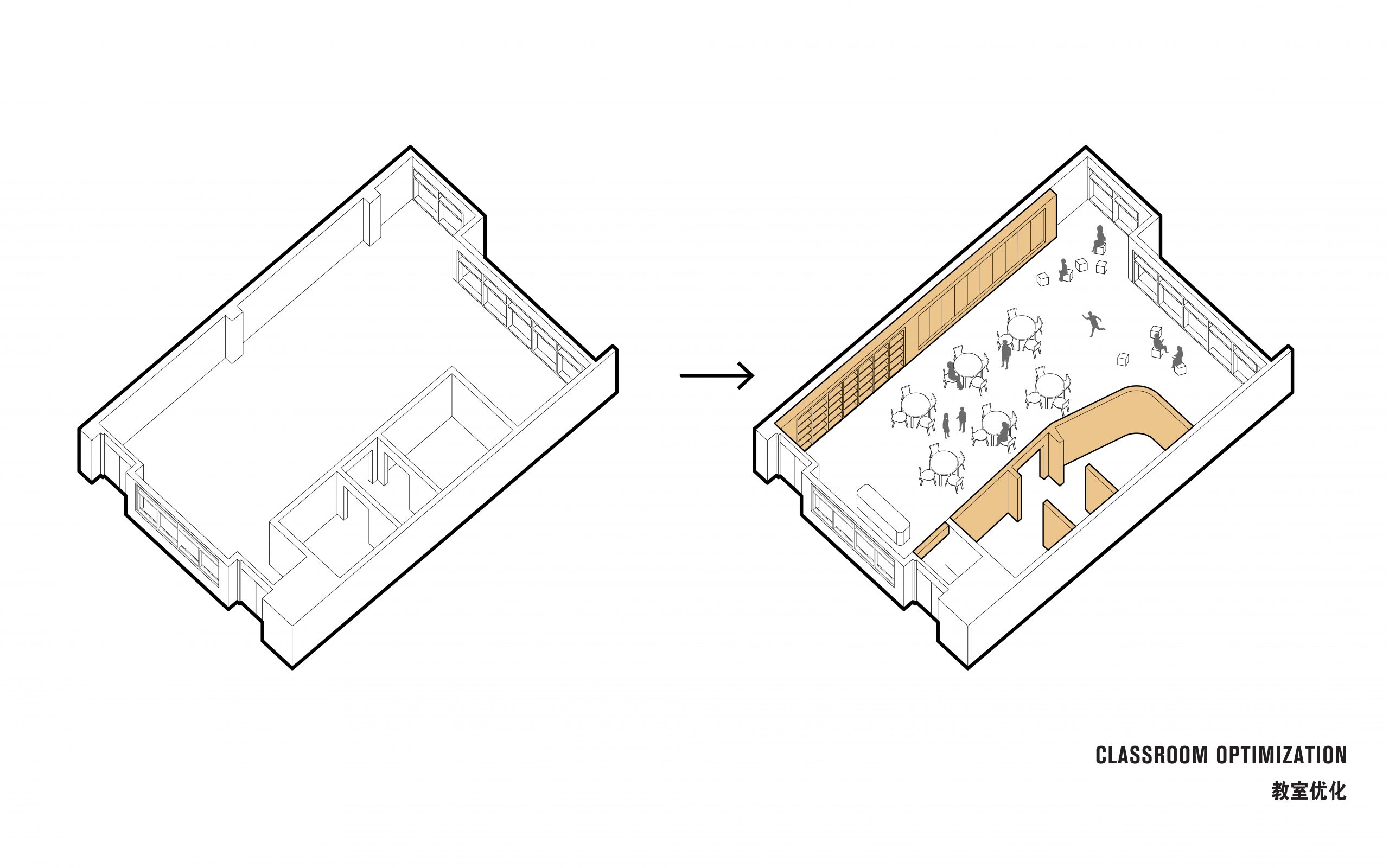
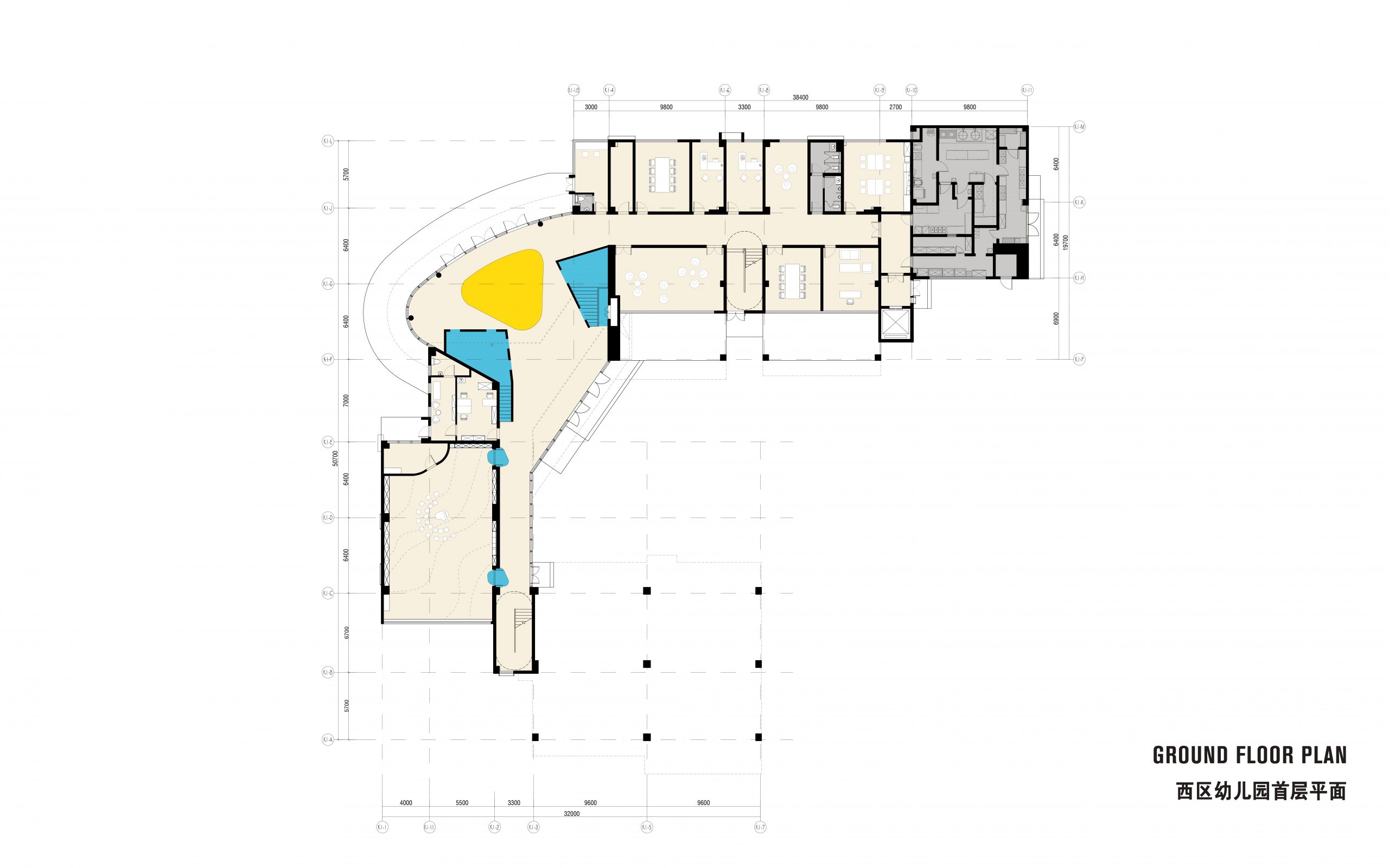
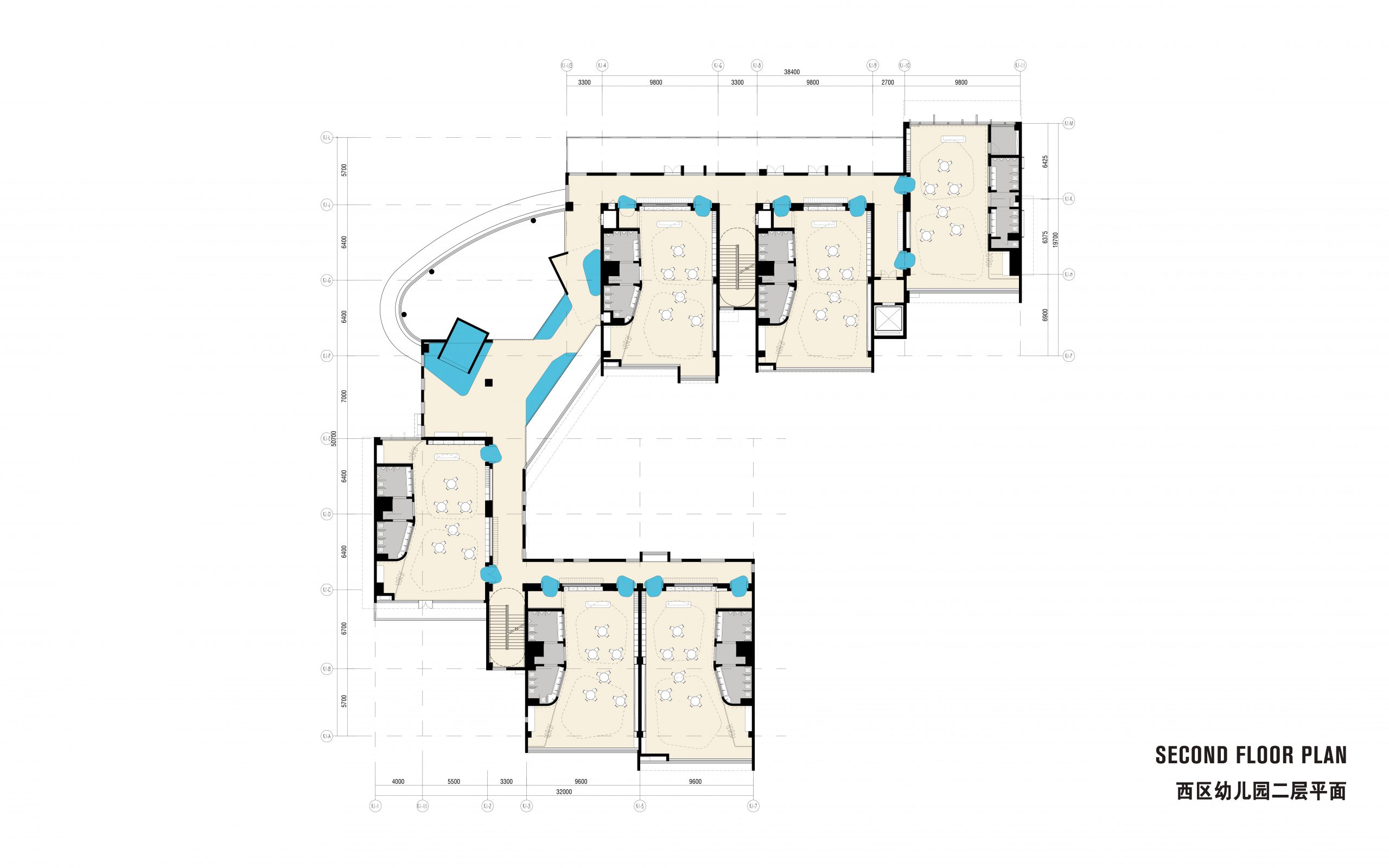
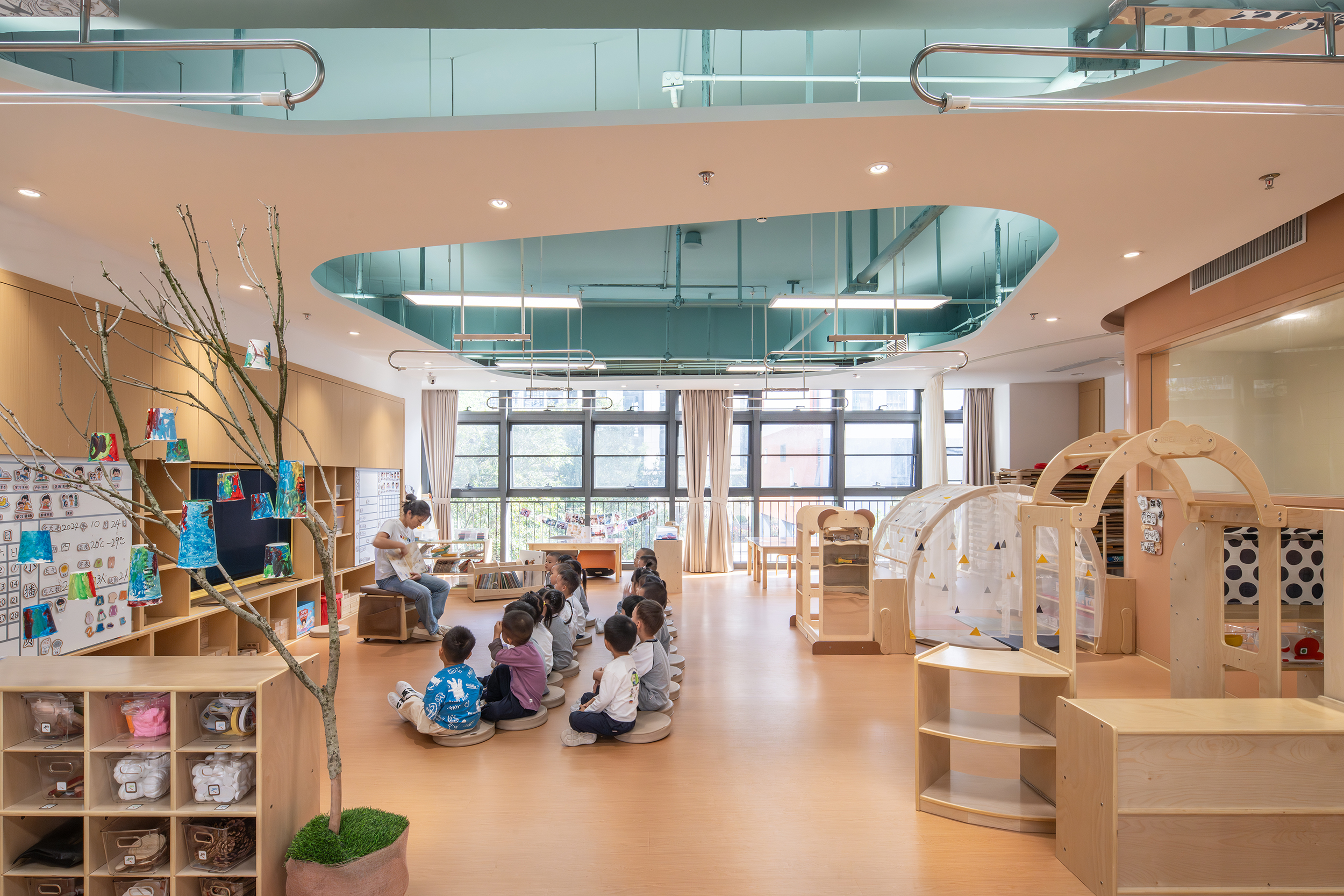
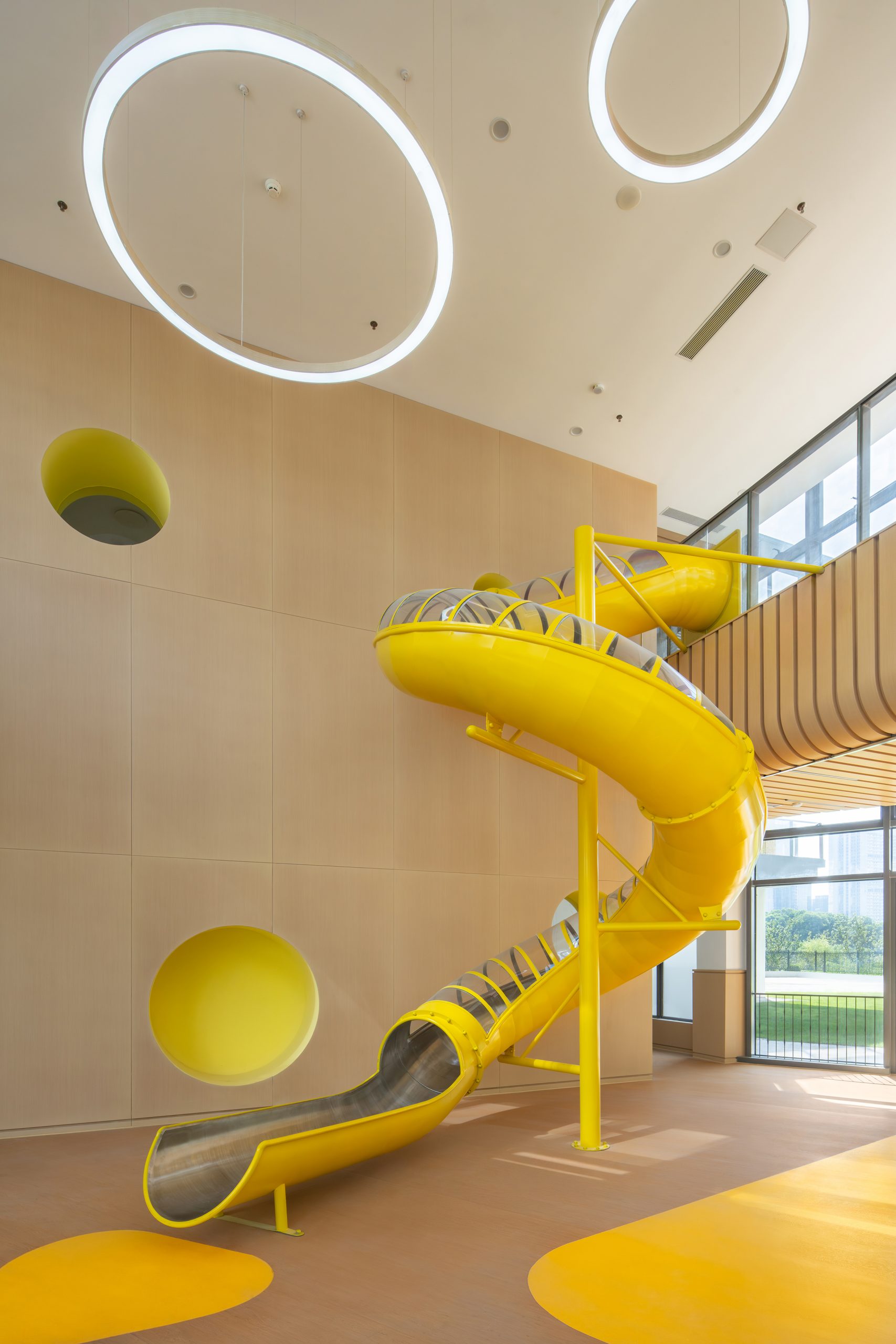
For two newly built kindergartens within the Gangtou Talent Apartment Complex, Crossboundaries was tasked with designing the interior fit-out within a predetermined architectural framework. The overall building structure and layout offered limited scope for structural interventions. Consequently, the design focused on areas that would significantly influence children’s daily experiences: the classrooms and lobby areas. These are spaces where children spend most of their time, and where subtle design refinements can profoundly enhance their interaction with their environment.